
Federal Legislation
All verified congressional bills, federal regulations, and agency actions related to allergy, asthma, anaphylaxis, and related diseases — including pending legislation in the 119th Congress.
Total Federal Laws
150
Enacted
44
Pending / Proposed
90
Regulations / Agency
15
150 federal records
Protecting Children with Food Allergies Act
Requires school food service personnel in federally assisted meal programs to receive annual training on preventing, recognizing, and responding to food-related allergic reactions.
Baby Food Safety Act of 2026
Establishes enforceable limits on toxic heavy metals in infant and toddler food and strengthens testing and transparency requirements for manufacturers.

BUILD America 250 Act
While primarily a transportation funding bill, it includes safety mandates for public transportation vehicles to carry emergency medical kits that include contents for the treatment of anaphylaxis and cardiac arrest, and requires training for frontline transit employees on the use of these kits.
Food Labeling Modernization Act of 2026
Legislation regarding food labeling standards.

Medical Nutrition Therapy Act of 2026
Amends title XVIII of the Social Security Act to provide Medicare coverage for medical nutrition therapy services for individuals with certain diseases, which can include conditions like celiac disease or severe food allergies requiring specialized diets.

Protecting Children with Food Allergies Act (enacted via Whole Milk for Healthy Kids Act)
Mandates that school food service personnel participating in federal child nutrition programs receive annual training on food allergy prevention, identification, and emergency response.
Celiac Safety Act of 2026
To amend the Federal Food, Drug, and Cosmetic Act to include gluten-containing grain in the definition of a major food allergen.

HELP Copays Act
HELP Copays Act (Copay Accumulator Reform)
Bans copay accumulator adjustment policies that prevent manufacturer copay assistance from counting toward patient deductibles and out-of-pocket maximums.

One School One Nurse Act
One School One Nurse Act
Assists in the recruitment, hiring, and retention of school nurses at every elementary and secondary public school to support children with asthma and severe allergies.
Safe Step Act
Safe Step Act (Step Therapy Reform)
Requires group health plans to establish a transparent exceptions process (24-72 hours) for step therapy protocols, allowing doctors to override insurer fail-first requirements when medically necessary.

Dillon's Law
Dillon's Law (Good Samaritan Epinephrine Act)
Provides legal protection to trained Good Samaritans who administer epinephrine in emergencies, particularly in schools, to reduce preventable deaths from anaphylaxis.

Gio's Law
Gio's Law (First Responder Epinephrine Act)
Establishes a federal grant program for first responder agencies to obtain epinephrine auto-injectors and train police, firefighters, and emergency personnel to recognize and treat anaphylaxis.

ADINA Act
ADINA Act (Allergen Disclosure in Non-Food Articles)
Requires drug labels for human use to clearly identify any ingredient derived from a major food allergen or gluten-containing grain; drugs without disclosure deemed misbranded.

FASTER Act of 2026
Food Allergy Safety, Treatment, Education, and Research Act of 2026
Bipartisan bill introduced by Rep. Anna Paulina Luna (FL-13) to amend the Federal Food, Drug, and Cosmetic Act to include barley, rye, and oats as major food allergens alongside wheat. The bill replaces 'wheat' with 'gluten-containing grain' (defined as wheat, rye, barley, oats, and crossbred hybrids like triticale) in the major food allergen definition, closing a labeling gap that leaves millions of Americans with celiac disease and gluten intolerance exposed to hidden gluten sources. Also directs HHS to report to Congress on celiac disease surveillance, diagnostics, prevention, and treatment development within one year of enactment.

Improving Emergency Medical Kit Efficacy and Flexibility in Commercial Airline Operations
FAA proposed rule (Docket No. FAA-2026-9178, 91 FR 50496) to improve emergency medical kit efficacy and flexibility for commercial airline operations under 14 CFR 121, enhancing onboard preparedness for in-flight medical emergencies including anaphylaxis. Comments due October 5, 2026.
Strengthening Protections for Children with Food Allergies Act
Amends the Child Nutrition Act of 1966 to require food allergy training for school personnel, including epinephrine administration, and supports WIC-eligible individuals impacted by food allergies.
Protecting Children with Food Allergies Act
Requires school food service personnel nationwide to be trained on recognizing and responding to serious allergic reactions.

Strengthening Protections for Children with Food Allergies Act
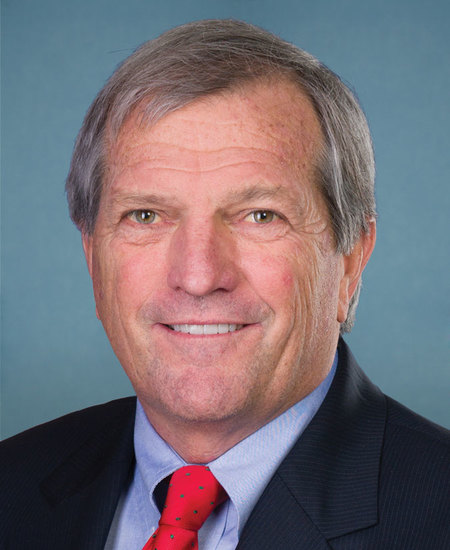
The Strengthening Protections for Children with Food Allergies Act (H.R. 10228) would amend the Child Nutrition Act of 1966 to require food allergy identification and response training for staff in federal child nutrition programs, including the Child and Adult Care Food Program (CACFP) and summer meal programs. Introduced by Rep. Mark DeSaulnier (D-CA-10) on September 2, 2026, and referred to the House Committee on Education and Workforce.
Alpha-gal Allergen Inclusion Act
Amends the Federal Food, Drug, and Cosmetic Act to add alpha-gal to the definition of major food allergen.
Food Allergy Safety, Treatment, Education, and Research Act
FASTER Act of 2026
Amends the Federal Food, Drug, and Cosmetic Act to include barley, rye, and oats as major food allergens and addresses Celiac disease prevalence and reactions.
Protecting Children with Food Allergies Act of 2025
Requires allergy training for school food workers and establishes safety protocols for children with food allergies in school meal programs.
CSU Treatment Expansion
FDA Approval of Dupilumab for Chronic Spontaneous Urticaria
Expands the indication of dupilumab to include the treatment of chronic spontaneous urticaria (CSU) in patients 12 years and older uncontrolled by antihistamines.
A resolution recognizing that particulate matter pollution can cause heart attacks, asthma, strokes, and premature death
Formal resolution recognizing the health risks of particulate matter pollution, which include exacerbating asthma and other chronic lung diseases.

Medical Foods and Formulas Access Act of 2025
Expands coverage under Medicare, Medicaid, CHIP, and the Federal Employees Health Benefits Program to include medically necessary food and associated equipment and supplies. Defines medically necessary food as specially formulated and processed products (e.g., nutritional formulas) prescribed by health care practitioners for individuals with special dietary requirements due to certain digestive or metabolic disorders or conditions.
PAVE Act (Penicillin Allergy Verification and Evaluation Act)
Amends the Social Security Act to include penicillin allergy verification and evaluation as part of the initial preventive physical examination and annual wellness visits under the Medicare program.

To establish a presumption of service connection for certain diseases associated with exposure to certain toxins at the Pentagon Reservation
Establishes a presumption of service connection for veterans exposed to toxins at the Pentagon Reservation who developed specific diseases, including asthma and other respiratory conditions.

Dillon's Law
Dillon's Law (H.R. 4564)
Federal Dillon's Law (H.R. 4564) would amend the Public Health Service Act to incentivize states to allow any trained individual to administer epinephrine in schools during anaphylaxis emergencies, with civil liability protections for good-faith responders. Named for Dillon Mueller, an 18-year-old who died from a bee-sting anaphylaxis in 2014.
Safe Step Act
Requires group health plans to implement a clear and transparent process for patients to request exceptions to step therapy protocols, ensuring timely access to prescribed medications for chronic conditions like asthma.
Medical Foods and Formulas Access Act of 2025
Requires federal health programs (Medicare, Medicaid, CHIP, FEHB) to cover medically necessary foods and vitamins for individuals with digestive or metabolic disorders, including Eosinophilic Esophagitis (EoE).
HELP Copays Act (Help Ensure Lower Patient Copays Act)
Ensures that all payments made by or on behalf of a patient, including copay assistance from manufacturers, count toward a patient's deductible and out-of-pocket maximum.
Safe Step Act
Senate companion to H.R. 5509, requiring group health plans to establish a clear and transparent process for patients to seek an exception to step therapy protocols, ensuring quicker access to medically necessary treatments.

Indoor Air Quality and Healthy Schools Act
Indoor Air Quality and Healthy Schools Act of 2025
The Indoor Air Quality and Healthy Schools Act would provide the Environmental Protection Agency (EPA) with the authority and resources to better protect against poor indoor air quality (IAQ) in schools. IAQ is essential for people suffering from asthma, as poor ventilation and indoor pollutants can trigger attacks and worsen respiratory health.
Medical Nutrition Therapy Act
Proposes expanding Medicare coverage to include medical nutrition therapy for patients with celiac disease and other conditions.

EPIPEN Act
EPIPEN Act (Epinephrine's Pharma Inflated Price Ends Now Act)
Legislation regarding epinephrine pricing.

Medical Foods and Formulas Access Act of 2025
The Senate companion to H.R. 5684, this bill expands coverage for medically necessary food and formulas under Medicare, Medicaid, and other federal health programs.
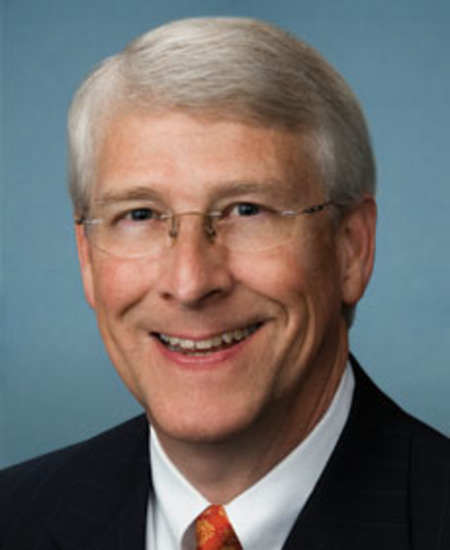
Alpha-gal Allergen Inclusion Act
Expands the definition of major food allergen to include galactose-alpha-1,3-galactose (alpha-gal).
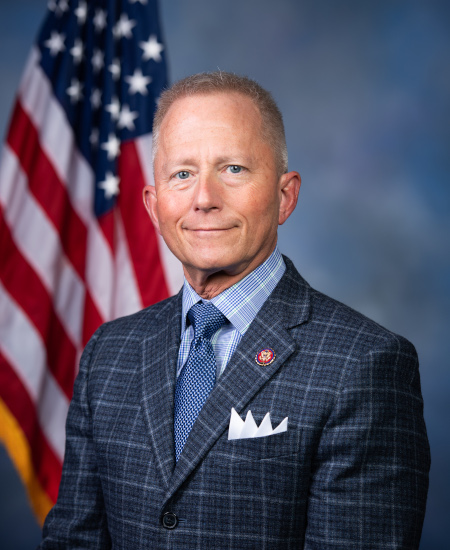
ADINA Act
Requires allergen disclosure in non-food articles, including prescription and over-the-counter medications.
Elijah E. Cummings Family Asthma Act
A bill to address asthma-related health issues.
Protecting Children with Food Allergies Act of 2025
Requires local school food service personnel to receive annual training and certification on food allergies as part of the National School Lunch Program.
Gio’s Law
To amend the Omnibus Crime Control and Safe Streets Act of 1968 to establish a grant program for provide access to, and training on the administration of, epinephrine products for law enforcement officers.
FISCAL Act (Freedom in School Cafeterias and Lunches Act)
Amends the Richard B. Russell National School Lunch Act to require schools to offer plant-based milk alternatives alongside cow's milk. The bill aims to accommodate students with lactose intolerance or dairy allergies and ensures non-dairy beverages meet nutritional standards.

Alpha-gal Allergen Inclusion Act
This bill expands the definition of major food allergen under the Federal Food, Drug, and Cosmetic Act to include galactose-alpha-1,3-galactose (alpha-gal).
Expressing support for the designation of May 2025 as "National Asthma and Allergy Awareness Month"
A federal resolution supporting the designation of May 2025 as National Asthma and Allergy Awareness Month.
EPIPEN Act (Epinephrine Injector Price Reduction)
Federal bill to cap the cost of life-saving epinephrine injectors by establishing cost-sharing requirements under group health plans and health insurance coverage.
Alpha-gal Allergen Inclusion Act
Federal bill to add alpha-gal to the definition of 'major food allergen' under the Federal Food, Drug, and Cosmetic Act, requiring labeling of alpha-gal in food products.

Dillon's Law
Dillon's Law
Incentivizes states to allow any trained individual to carry and use epinephrine devices at schools during allergy emergencies with liability protections.
Expressing support for the designation of May 2025 as "National Asthma and Allergy Awareness Month".
A resolution expressing support for the designation of May 2025 as National Asthma and Allergy Awareness Month, noting the prevalence of food allergies and asthma in the United States.
Smoke and Heat Ready Communities Act
Smoke and Heat Ready Communities Act
Authorizes EPA grants to help communities upgrade air quality systems and protect vulnerable populations, including children with asthma, from hazardous wildfire smoke and extreme heat.

Chronic Disease Flexible Coverage Act
Chronic Disease Flexible Coverage Act
Expands coverage options for individuals with chronic diseases including asthma by allowing states to offer targeted chronic disease coverage plans outside of traditional open enrollment.
National Asthma and Allergy Awareness Month
National Asthma and Allergy Awareness Month Resolution
Expresses support for the designation of May 2025 as National Asthma and Allergy Awareness Month to raise public awareness of these chronic conditions.
Protecting Children with Food Allergies Act of 2025
Amends the Child Nutrition Act of 1966 to include food allergy information in the existing training modules for local food service personnel. It requires training on preventing, recognizing, and responding to food-related allergic reactions in school cafeteria settings.
To amend title XI of the Social Security Act to create a model relating to Medicare payment for emergency medical services
Directs the Medicare Payment Advisory Commission to study and report on Medicare payment for emergency medical services, specifically including treatments involving epinephrine and albuterol administered by EMS.

EPIPEN Act
Proposed federal bill to cap out-of-pocket costs for epinephrine delivery systems at $60 for a two-pack across all commercial health plans.
FISCAL Act
House companion to S. 1236. Requires schools participating in the national school lunch program to provide fluid milk substitutes (plant-based milk) that meet USDA nutritional standards to accommodate children who are lactose intolerant or have dairy allergies.

Safe Step Act
Requires group health plans to implement a clear and timely exceptions process for step therapy protocols. Exceptions must be granted if a required treatment is likely to cause an adverse reaction, delay care leading to irreversible harm, or prove ineffective.
Whole Milk for Healthy Kids Act of 2025
This act revises requirements for milk provided by the National School Lunch Program, reversing restrictions to allow schools to serve whole or 2% milk. It also permits schools to offer non-dairy milk options and requires them to honor parental requests for non-dairy milk without requiring a doctor's note.
Dillon's Law
Incentivizes states to allow any trained 'Good Samaritan' to carry and administer epinephrine in schools during emergencies. It provides civil liability protection for trained responders and prioritizes federal grant funding for states that implement these policies.
EPIPEN Act
The 'Epinephrine's Pharma Inflated Price Ends Now Act' caps out-of-pocket costs for a two-pack of epinephrine at $60 for individuals with health insurance. The 2025 version expands coverage to include all delivery systems, such as nasal sprays and sublingual films.
ADINA Act (Allergen Disclosure In Non-food Articles Act)
Amends the Federal Food, Drug, and Cosmetic Act to require the labels of human drugs to identify each ingredient derived from a major food allergen or a gluten-containing grain. This aims to protect patients with severe food allergies or celiac disease from accidental exposure via medications.
Gio's Law
Amends the Omnibus Crime Control and Safe Streets Act of 1968 to establish a grant program allowing the U.S. Attorney General to provide funds to state and local governments to purchase epinephrine products for law enforcement and train officers on their administration.
Affordable Inhalers and Nebulizers Act
Aims to cap out-of-pocket costs for prescription asthma inhalers and nebulizers at $15 per month for insured and uninsured patients.

FAA Reauthorization Act of 2024
This law reauthorizes the FAA and includes specific requirements for the agency to update protocols and contents of airplane medical kits to better address anaphylaxis emergencies, including medications that can be used by flight crews.

Protecting Children with Food Allergies Act
A bill to protect children with food allergies.
Penicillin Allergy Verification and Evaluation (PAVE) Act
This bill seeks to improve antibiotic stewardship by adding penicillin allergy verification and evaluation as a component of the 'Welcome to Medicare' and annual wellness visits.

Alpha-gal Allergen Inclusion Act
To amend the Federal Food, Drug, and Cosmetic Act to include alpha-gal in the definition of a major food allergen for purposes of food labeling requirements.
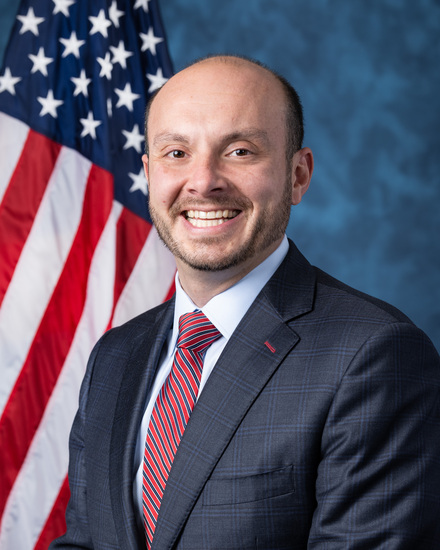
Dillon’s Law
To amend the Public Health Service Act to give a preference, with respect to project grants for preventive health services, for States that allow all trained individuals to carry and administer epinephrine, and for other purposes.
Alpha-gal Allergen Inclusion Act
To amend the Federal Food, Drug, and Cosmetic Act to add alpha-gal to the definition of 'major food allergen'.
Protecting Children with Food Allergies Act
Mandates food allergy training for all school food service personnel participating in federal school meal programs to improve prevention and emergency response.
Recognize AGS Act
To direct the Secretary of Health and Human Services, acting through the Director of the Centers for Disease Control and Prevention, to include alpha-gal syndrome on the list of nationally notifiable diseases.
EPIPEN Act
Epinephrine's Pharma Inflated Price Ends Now (EPIPEN) Act
This bill establishes requirements with respect to cost-sharing for epinephrine injectors under group health plans and group and individual health insurance coverage, effectively capping out-of-pocket costs at $60 for a two-pack of epinephrine auto-injectors.
FAA Reauthorization Act of 2024
Section 368 requires the FAA to update airline emergency medical kits to include appropriate medications and equipment for treating anaphylaxis.

EMSC Reauthorization
Emergency Medical Services for Children Reauthorization Act of 2024
Reauthorizes the EMSC program which supports state and territorial efforts (including American Samoa) to ensure emergency medical services are prepared for pediatric emergencies like anaphylaxis.
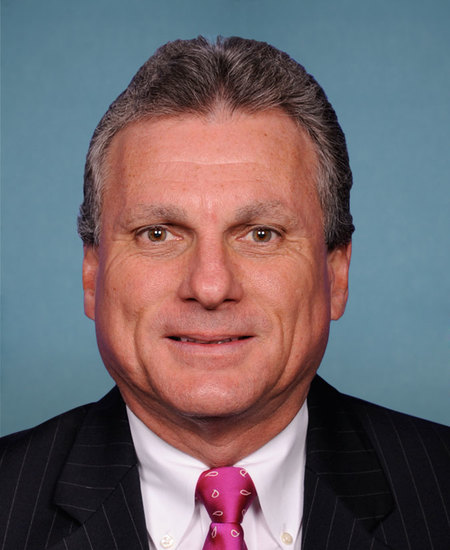
FAA Reauthorization Act of 2024 (Section 559: Epinephrine)
Directs the FAA to update aircraft emergency medical kit requirements to include epinephrine auto-injectors for both pediatric and adult use.
Reconsideration of the National Ambient Air Quality Standards for Particulate Matter
Lowers the primary annual PM2.5 standard from 12.0 µg/m3 to 9.0 µg/m3 to protect public health from respiratory diseases like asthma.
ADINA Act
Senate companion to H.R. 4263, requiring clear labeling of major food allergens and gluten in drugs intended for human use.
Food Labeling Modernization Act of 2023
This bill updates the Federal Food, Drug, and Cosmetic Act to strengthen food labeling requirements, including the disclosure of major allergens like gluten and improving nutrient information to help consumers make informed health choices.
ADINA Act
ADINA Act
To amend the Federal Food, Drug, and Cosmetic Act to require the label of a drug intended for human use to identify each ingredient in such drug that is, or is derived directly or indirectly from, a major food allergen or a gluten-containing grain.
Elijah E. Cummings Family Asthma Act
Amends the Public Health Service Act with regard to research on asthma.
FASTER Act
Food Allergy Safety, Treatment, Education, and Research Act of 2021
Declares sesame as the ninth major food allergen and requires it to be labeled on all packaged foods effective January 1, 2023.
Protecting Children with Food Allergies Act
A bill to amend the Child Nutrition Act of 1966 to require the provision of training and information to certain personnel relating to food allergy identification and response, and for other purposes.
HELP Copays Act
The Help Ensure Lower Patient (HELP) Copays Act requires health insurance plans to count third-party payments and financial assistance toward a patient's deductible and out-of-pocket maximum, improving affordability for expensive chronic condition medications.
One School, One Nurse Act
One School, One Nurse Act of 2023
This legislation mandates the creation of a grant program to assist local educational agencies in hiring and retaining full-time registered nurses in schools.

ADINA Act
ADINA Act
To amend the Federal Food, Drug, and Cosmetic Act to require the label of a drug intended for human use to identify each ingredient that is a major food allergen.
Safe Step Act
Safe Step Act
The Safe Step Act requires group health plans to implement a clear and transparent process for patients to request an exception to a step therapy (fail-first) protocol, ensuring quicker access to medically necessary treatments for chronic conditions like asthma.
Affordable Drug Manufacturing Act of 2023
Establishes an Office of Drug Manufacturing within HHS to produce or contract for the manufacture of essential generic drugs in shortage or at high cost, specifically including epinephrine auto-injectors and inhalers for asthma.

FASTER Act Implementation
Food Allergen Labeling Requirements for Sesame
Enforces the inclusion of sesame as the 9th major food allergen requiring specific labeling and manufacturing controls on all packaged foods in the U.S.
Medical Nutrition Equity Act of 2023
This bill requires public and private health insurance programs to cover medically necessary foods, vitamins, and individual amino acids for the management of digestive and metabolic disorders, including EoE and FPIES.
Safe Step Act
Requires group health plans to establish a clear and transparent exceptions process for any medication step-therapy protocol, which often delays access to necessary allergy or asthma medications.
Medical Foods and Formulas Access Act
Requires coverage under Medicare, Medicaid, and private health plans for medically necessary specialized foods and formulas for individuals with certain digestive and metabolic disorders, including eosinophilic esophagitis (EoE) and FPIES.

Dillon's Law
This bill provides incentives for states to allow individuals (Good Samaritans) to carry and administer epinephrine to a person experiencing a severe allergic reaction, provided they have received proper training.
Food Labeling Modernization Act of 2023
This bill updates federal food labeling laws to improve transparency, including requirements for the disclosure of gluten-containing grains and more prominent labeling of major food allergens.
Expressing support for the designation of May as "National Asthma and Allergy Awareness Month".
A resolution supporting the designation of May as National Asthma and Allergy Awareness Month.
No Surprises Act
Federal law protecting patients from surprise medical bills for emergency services, including anaphylaxis and asthma emergency treatment, from out-of-network providers or facilities at in-network rates.
Food Allergy Safety, Treatment, Education, and Research Act of 2021 (FASTER Act of 2021)
Amends the Federal Food, Drug, and Cosmetic Act to declare sesame as a major food allergen and addresses disorders including potentially life-threatening anaphylaxis, food protein-induced enterocolitis syndrome (FPIES), and eosinophilic gastrointestinal diseases.
FASTER Act
FASTER Act of 2021
Food Allergy Safety, Treatment, Education, and Research Act; adds sesame as a major food allergen.
School-Based Allergies and Asthma Management Program Act
Establishes preferences for grants for states that require schools to establish allergy and asthma management programs including individual action plans.

FASTER Act of 2021
Food Allergy Safety, Treatment, Education, and Research Act of 2021
This law amends the Federal Food, Drug, and Cosmetic Act to designate sesame as the ninth major food allergen, requiring it to be labeled on packaged food products.
FASTER Act of 2021
Food Allergy Safety, Treatment, Education, and Research Act of 2021
Adds sesame to the list of major food allergens required to be labeled on packaged foods and expands federal research into food allergies.
School-Based Allergies and Asthma Management Program Act
Provides federal grant preferences to states that require schools to have comprehensive asthma and allergy management programs.
FASTER Act of 2021
Food Allergy Safety, Treatment, Education, and Research Act of 2021
Establishes sesame as the ninth major food allergen and directs research into food protein-induced enterocolitis syndrome and eosinophilic gastrointestinal diseases.
FASTER Act
Food Allergy Safety, Treatment, Education, and Research Act of 2021
Expands the definition of major food allergen to include sesame under the Federal Food, Drug, and Cosmetic Act, and requires reports on food allergy surveillance, prevalence, risk reduction, diagnostics, and related conditions including anaphylaxis, food protein-induced enterocolitis syndrome (FPIES), and eosinophilic gastrointestinal diseases.
FASTER Act
Food Allergy Safety, Treatment, Education, and Research (FASTER) Act of 2021
Adds sesame to the list of major food allergens that must be labeled in plain language on packaged foods in the United States.
Sesame Labeling Law
FASTER Act of 2021
To improve the health and safety of Americans living with food allergies and related disorders, including potentially life-threatening anaphylaxis, food protein-induced enterocolitis syndrome, and eosinophilic gastrointestinal diseases, and for other purposes.
School-Based Allergies and Asthma Management Program Act
Establishes federal grant preferences for states that require public schools to implement comprehensive, school-based allergies and asthma management programs and staff training, enacted as Pub.L. 116-292.
DOT Service Animals in Air Travel Final Rule
Updated regulations defining service animals for air travel, affecting individuals using allergen-detection or medical alert animals.
Public Health Service Act Amendment
Amends the Public Health Service Act to prioritize grants for states that require public schools to have comprehensive allergy and asthma management programs.
School-Based Allergies and Asthma Management Program Act
Increases preference for federal asthma and allergy-related grants to states that require schools to have comprehensive asthma and allergy management programs.
School-Based Allergies and Asthma Management Program Act
This bill establishes preferences for grants under the children's asthma treatment program for states that require schools to establish allergy and asthma management programs that include individual action plans for students diagnosed with allergies or asthma.
FSMA Preventive Controls for Human Food (Allergen Controls)
FSMA regulation requiring food facilities to implement a written food safety plan that includes controls for food allergens.
School Access to Emergency Epinephrine Act
Amends the Public Health Service Act, with respect to asthma-related grants for child health services, to give an additional preference to a state that allows self-administration of asthma and anaphylaxis medication and makes a certification concerning civil liability protection for trained personnel administering epinephrine.
Medicaid Preventive Services Rule (Asthma Education)
CMS rule allowing state Medicaid programs to reimburse for preventive services such as asthma education provided by non-licensed professionals.
School Access to Emergency Epinephrine Act
Amends the Public Health Service Act to give federal asthma-grant preference to states that allow trained school personnel to administer epinephrine to students reasonably believed to be experiencing anaphylaxis, maintain a supply of epinephrine, and have trained personnel on site. Enacted as Public Law 113-48 on November 13, 2013.

FDA Gluten-Free Labeling Final Rule
Establishes a federal definition for the term gluten-free for voluntary use in food labeling to protect consumers with celiac disease.
School Access to Emergency Epinephrine Act
Amends the Public Health Service Act to give preference in awarding certain asthma-related grants to states that require schools to allow trained school personnel to administer emergency epinephrine to students believed to be having an anaphylactic reaction and provide adequate civil liability protection.
School Access to Emergency Epinephrine Act
Amends the Public Health Service Act to provide preference in asthma-related grants to states that allow trained school personnel to administer epinephrine to students.
School Access to Emergency Epinephrine Act
Federal law incentivizing states to allow schools to stock epinephrine auto-injectors for emergency use.
School Access to Emergency Epinephrine Act
Amends the Public Health Service Act, with respect to asthma-related grants for child health services, to give an additional preference to a state that requires elementary and secondary schools to maintain epinephrine auto-injectors and authorize school personnel to administer them.
Food Allergy and Anaphylaxis Management Act (FAAMA)
Federal law (Section 112 of the FDA Food Safety Modernization Act) directing HHS to develop voluntary national guidelines for managing food allergies and anaphylaxis in schools.
School Access to Emergency Epinephrine Act
Provides preference for states regarding administration of epinephrine by school personnel and allows students to self-administer medication to treat asthma and anaphylaxis.
Food Allergy and Anaphylaxis Management Act of 2008
Directs the Secretary of Health and Human Services, in consultation with the Secretary of Education, to develop a voluntary policy for managing the risk of food allergy and anaphylaxis in schools and to establish school-based food allergy management grants.
USDA School Meal Substitutions for Food Allergies
Governs how schools participating in federal meal programs must accommodate children with disabilities including life-threatening food allergies.
DOT Part 382 Disability Rule
Nondiscrimination on the Basis of Disability in Air Travel (14 CFR Part 382)
DOT regulation implementing the Air Carrier Access Act, requiring U.S. and foreign carriers to accommodate passengers with disabilities, including those with severe food allergies.
Food Allergen Labeling and Consumer Protection Act (FALCPA)
Federal law requiring clear labeling of the top 8 major food allergens on packaged food products.
Asthmatic Schoolchildren's Treatment and Health Management Act of 2004 (ASTHMA Act)
The Asthmatic Schoolchildren's Treatment and Health Management Act of 2004 (ASTHMA Act), Public Law 108-377 (H.R. 2023, 108th Congress), signed by President George W. Bush on October 30, 2004, gives federal grant preference to states that require schools to allow students to self-carry and self-administer prescribed quick-relief asthma and anaphylaxis medication.
Asthmatic Schoolchildren's Treatment and Health Management Act of 2004
Federal law giving grant preference to states that require schools to allow students to self-administer medication to treat asthma or anaphylaxis, incentivizing state self-carry laws nationwide.
Food Allergen Labeling and Consumer Protection Act of 2004
Requires food labels to declare the presence of major food allergens.
Asthmatic Schoolchildren's Treatment and Health Management Act of 2003
Grants preference for federal asthma treatment grants to states that require schools to permit students to self-administer prescribed medication for asthma or anaphylaxis.
To give a preference regarding States that require schools to allow students to self-administer medication to treat that student's asthma or anaphylaxis, and for other purposes (H.R. 2023)
H.R. 2023 (108th Congress) was introduced in the House to give a preference regarding states that require schools to allow students to self-administer medication to treat asthma or anaphylaxis, and for other purposes.
FAA Emergency Medical Kit Epinephrine Requirement
Mandates the contents of Emergency Medical Kits on commercial aircraft, including epinephrine for treating allergic reactions during flight.
Americans with Disabilities Act (ADA)
Federal civil rights law prohibiting disability discrimination in public accommodations, employment, and government services, applicable to severe food allergies.
ACAA
Air Carrier Access Act (ACAA)
Federal statute prohibiting discrimination by air carriers against individuals with disabilities, including passengers with severe food allergies, in air transportation.
Air Carrier Access Act
Federal law prohibiting discrimination by airlines against passengers with disabilities, including those with severe allergies.
IDEA
Individuals with Disabilities Education Act (IDEA)
Federal special education law guaranteeing a Free Appropriate Public Education (FAPE) to eligible students with disabilities, including those whose severe allergies, asthma, or other health conditions substantially limit a major life activity. Requires schools to develop and implement Individualized Education Programs (IEPs) that can include health accommodations, emergency action plans, medication administration, and staff training.
Individuals with Disabilities Education Act (IDEA)
Federal law ensuring students with disabilities receive free appropriate public education, applicable when severe allergies affect educational performance.
Section 504 of the Rehabilitation Act
Federal civil rights law requiring schools and programs receiving federal funding to provide accommodations for students with disabilities, including severe food allergies.
Child Nutrition Act of 1966 (WIC Authorization)
Authorizes the Special Supplemental Nutrition Program for Women, Infants, and Children (WIC). WIC food packages accommodate participants with food allergies and special dietary needs through medical documentation, including substitution of milk, eggs, and other allergenic foods and provision of hypoallergenic infant formula.
AMAA
Aviation Medical Assistance Act of 1998
Provides liability protection for passengers (Good Samaritans) who assist in an in-flight medical emergency, which is essential for encouraging interventions during anaphylactic episodes.
FAA Reauthorization Act
FAA Reauthorization Act of 2024
Requires the FAA to review and update aircraft Emergency Medical Kit (EMK) requirements, specifically to include epinephrine auto-injectors and to mandate training for flight crews on their use.
FAA Medical Kit Regulation
Emergency Medical Equipment and Training
Mandates that commercial aircraft carry emergency medical kits containing at least two ampules of epinephrine (1:1000) and injectable antihistamines, though it does not yet mandate auto-injectors.
Gluten in Medicine Disclosure Act of 2021
Amends the Federal Food, Drug, and Cosmetic Act to require the labels of drugs intended for human use to identify any ingredients derived from gluten-containing grains, ensuring medication safety for patients with Celiac Disease.

Air Carrier Access Act Regulations
Nondiscrimination on the Basis of Disability in Air Travel
Prohibits airlines from discriminating against individuals with disabilities, including severe food allergies and asthma, and requires reasonable accommodations such as pre-boarding to wipe down seats.
FAA Reauthorization Act
FAA Reauthorization Act of 2024
Mandates the FAA to update regulations requiring airline emergency medical kits (EMKs) to include epinephrine auto-injectors and requires airlines to establish formal policies for passengers with food allergies.
Alpha-Gal Allergen Inclusion Act
Alpha-Gal Allergen Inclusion Act
Adds alpha-gal to the federal list of major food allergens, requiring clear and specific labeling on all U.S. packaged food products to help Americans with AGS identify products that could trigger a life-threatening allergic reaction.

STOP TICKS Act
STOP TICKS Act (Strengthening Tick-borne disease Opposition and Prevention Through Investment in Collaboration, Knowledge, and Surveillance Act)
Reauthorizes and expands the federal Tick-Borne Disease Working Group (TBDWG) and increases CDC grant funding for states and researchers combating vector-borne diseases including alpha-gal syndrome.
Airline Emergency Medical Kit Regulation
14 CFR Part 121, Appendix A - First-Aid Kits and Emergency Medical Kits
Existing federal regulation specifying mandatory contents of airline medical kits, currently including epinephrine vials (1:1,000) and bronchodilator inhalers.
FAA Epinephrine Shortage Guidance
FAA InFO 19003: Emergency Medical Kits - Epinephrine Shortages
Guidance for airlines on handling shortages of epinephrine in medical kits, permitting some flexibility while emphasizing the necessity of having the drug available.
Air Carrier Access Act (ACAA) Regulations
Nondiscrimination on the Basis of Disability in Air Travel
Prohibits discrimination based on disability, which includes severe allergies and asthma; used as the basis for allowing passengers to carry their own medications and request accommodations.
Good Samaritan Law for Air Travel
Aviation Medical Assistance Act of 1998
Provides liability protection for passengers (Good Samaritans) who assist in in-flight medical emergencies, such as administering epinephrine.
Emergency Epinephrine Act (Federal Proposal)
Emergency Epinephrine Act
Proposed legislation to provide civil liability protection for entities and individuals that maintain and use stock epinephrine in emergencies, expanding the scope beyond schools to public places including aircraft.
Allergen Disclosure In Non-Food Articles Act
The ADINA Act amends the Federal Food, Drug, and Cosmetic Act to require pharmaceutical companies to clearly label major food allergens and gluten-containing grains to protect patients with food allergies and Celiac Disease.
While we strive for accuracy, information may change over time. Always double-check and verify against official sources before relying on it.