
School & Childcare Policy Gap Map
A focused look at which states are missing the 5 core allergy and asthma policies every school and childcare setting should have — stock epinephrine, self-carry, food allergy guidelines, and asthma management — with model legislation for each gap.
Based on 1000 verified, enacted laws from official legislative sources.
Methodology: Gaps reflect the absence of an enacted, verified law in our database for each of the 5 school/childcare policy areas. A "missing" designation means no such law has been verified and tracked — pending bills, regulations, or laws not yet captured may exist. Analysis reflects the PolicyPantry Research System's verified coverage as of today.
20
States with all 5 policies
3
States missing 4+ policies
1.2
Avg gaps per state
56
States + DC analyzed
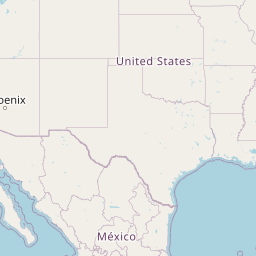
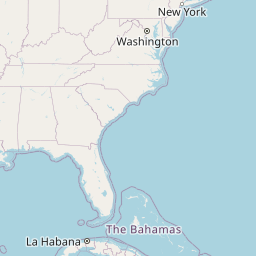
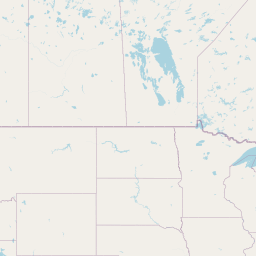
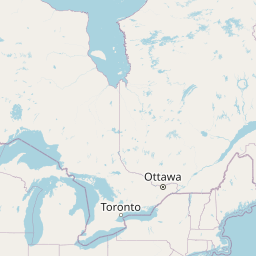
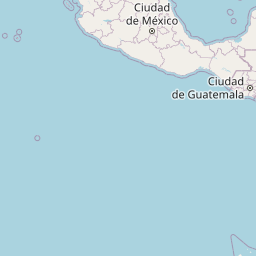
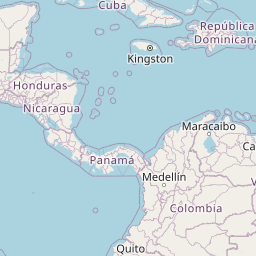
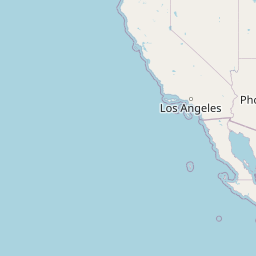

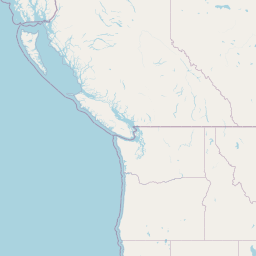


2/5
1/5
0/5
1/5
1/5
0/5
0/5
2/5
1/5
0/5
5/5
0/5
1/5
0/5
0/5
0/5
3/5
0/5
0/5
1/5
1/5
1/5
2/5
0/5
2/5
0/5
2/5
0/5
0/5
1/5
1/5
2/5
0/5
1/5
1/5
1/5
2/5
1/5
0/5
1/5
1/5
2/5
2/5
0/5
3/5
1/5
0/5
0/5
1/5
0/5
1/5
3/5
Biggest Policy Gaps — Schools & Childcare
How many states are missing each policy area (out of 56 states + DC)
Click a state to see its gaps.
What a Model Policy Looks Like
Each of the 5 core school/childcare policies below has a verified model or reference law. Use these as templates when advocating for legislation in states that are missing them.
Childcare centers may stock and administer undesignated epinephrine auto-injectors.
Model: Elijah's Law (NY S2183, 2023) — requires daycare stock epinephrine and staff training
Public schools may stock and administer undesignated epinephrine auto-injectors.
Model: School Access to Emergency Epinephrine Act (H.R. 2094, 2013) — federal incentive for state school stock epi laws
Students may carry and self-administer their own prescribed epinephrine.
Model: FARE advocacy priority — self-carry laws now in most states; gaps remain
Mandates food allergy guidelines, training, or accommodation policies for schools.
Model: CDC Voluntary Guidelines for Managing Food Allergies in Schools (2013)
Requires asthma management plans or allows asthma medication self-carry in schools.
Model: AAFA State Honor Roll — tracks school asthma & anaphylaxis policies nationwide
Where Advocacy Is Needed Most
Ranked by number of missing school & childcare policies — these states need the most attention from advocates.
Leading States — Models to Follow
Close the School & Childcare Gaps
3 states are missing 4 or more core school policies. Use our tools to contact your legislators about adopting model legislation for your state.
Sources & References
Model legislation references and policy standards are sourced from the following organizations and official bodies. Verified enacted laws are drawn from official state legislative records tracked by the PolicyPantry Research System.
Elijah-Alavi Foundation
Elijah's Law model legislation for childcare food allergy safety
FARE (Food Allergy Research & Education)
Self-carry epinephrine advocacy priorities and state law tracking
AAFA (Asthma and Allergy Foundation of America)
State Honor Roll — school asthma & anaphylaxis policy benchmarks
Allergy & Asthma Network
School and childcare anaphylaxis policy resources
CDC
Voluntary Guidelines for Managing Food Allergies in Schools (2013)
Congress.gov
School Access to Emergency Epinephrine Act (H.R. 2094, 113th Congress)
U.S. FDA
FALCPA (2004) & FASTER Act (2021) — federal allergen labeling baseline
NY Office of Children & Family Services
Elijah's Law implementation guidance for NY child care facilities
Last verified: September 19, 2026. Legislative data reflects enacted, verified laws tracked by the PolicyPantry Research System as of today.
While we strive for accuracy, information may change over time. Always double-check and verify against official sources before relying on it.