
Related Laws Explorer
Pick any law in the platform and instantly see other relevant laws grouped by why they're related — same state, same condition, same policy area, and shared tags — so you can see the full landscape around a bill.
Educational Disclaimer: This platform is for general informational purposes only and is not medical advice. It does not replace professional medical consultation, diagnosis, or treatment. Always consult a qualified healthcare professional. If you are experiencing a medical emergency, call 911 immediately. Verify any information against official sources before relying on it.
We strive for accuracy. Laws and links change frequently, and mistakes can happen. If you spot a law, citation, or source link that doesn't look right, pleasereport or flag itso we can correct it.
15 related laws across 3 categories
Same State — New York
(6)An act to amend the public health law and the agriculture and markets law, in relation to food intolerances
Requires food service establishments and online ordering services to provide notices to staff and customers regarding food allergies and intolerances.
An act to amend the public health law, in relation to allergy awareness and training in restaurants
Requires food service establishments to provide allergy awareness training to staff and display information regarding major food allergens.
An Act directing the reporting of Alpha-gal Syndrome
Requires the New York State Department of Health to include Alpha-gal syndrome on the list of reportable tick-borne diseases to track its spread.
New York Asthma Inhaler Coverage Act (S.3100A)
Provides for coverage for the treatment of asthma (wider insurance coverage of asthma medications)
S.3100A expands New York insurance coverage for the treatment of asthma to include a second rescue and maintenance inhaler, along with any medically necessary devices for children. New Yorkers with asthma can face large financial barriers to drugs that hinder optimal treatment; high out-of-pocket costs hinder adherence, threaten patient health, and exacerbate health disparities. The bill passed the Senate 59-2 on March 17, 2025 and was reported and committed to the Finance Committee on May 12, 2026.
New York School Epinephrine Maintenance Act
Requires schools to designate staff to oversee the storage, maintenance, and administration of epinephrine devices and maintain logs of administrations.
Childcare Epinephrine Requirement Act - New York (Pending)
New York bill S8587A requiring child day care centers to have epinephrine devices and staff trained to use them on site in case of anaphylaxis or other severe allergic reaction.
Same Condition — food_allergy
(6)Elijah's Law
An Act concerning food allergy safety, emergency preparedness, and anaphylaxis response in licensed child care settings
This bill establishes food allergy safety and anaphylaxis response protocols in licensed child care centers and family day care homes.
Strengthening Protections for Children with Food Allergies Act
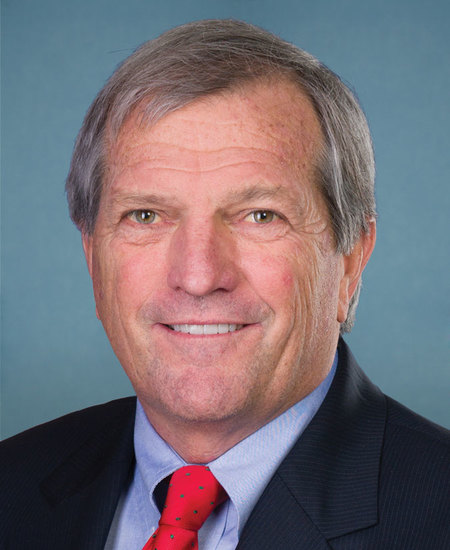
The Strengthening Protections for Children with Food Allergies Act (H.R. 10228) would amend the Child Nutrition Act of 1966 to require food allergy identification and response training for staff in federal child nutrition programs, including the Child and Adult Care Food Program (CACFP) and summer meal programs. Introduced by Rep. Mark DeSaulnier (D-CA-10) on September 2, 2026, and referred to the House Committee on Education and Workforce.
An act to amend the public health law and the agriculture and markets law, in relation to food intolerances
Requires food service establishments and online ordering services to provide notices to staff and customers regarding food allergies and intolerances.
An act to amend the public health law, in relation to allergy awareness and training in restaurants
Requires food service establishments to provide allergy awareness training to staff and display information regarding major food allergens.
Medical Foods and Formulas Access Act of 2025
Expands coverage under Medicare, Medicaid, CHIP, and the Federal Employees Health Benefits Program to include medically necessary food and associated equipment and supplies. Defines medically necessary food as specially formulated and processed products (e.g., nutritional formulas) prescribed by health care practitioners for individuals with special dietary requirements due to certain digestive or metabolic disorders or conditions.
An Act Relative to Food Allergy Awareness in Schools
Requires school districts and private schools to maintain a comprehensive Food Allergy Management and Prevention Plan to address safety and training.
Same Policy Area — food_safety
(6)Strengthening Protections for Children with Food Allergies Act
The Strengthening Protections for Children with Food Allergies Act (H.R. 10228) would amend the Child Nutrition Act of 1966 to require food allergy identification and response training for staff in federal child nutrition programs, including the Child and Adult Care Food Program (CACFP) and summer meal programs. Introduced by Rep. Mark DeSaulnier (D-CA-10) on September 2, 2026, and referred to the House Committee on Education and Workforce.
FASTER Act of 2026
Food Allergy Safety, Treatment, Education, and Research Act of 2026
Bipartisan bill introduced by Rep. Anna Paulina Luna (FL-13) to amend the Federal Food, Drug, and Cosmetic Act to include barley, rye, and oats as major food allergens alongside wheat. The bill replaces 'wheat' with 'gluten-containing grain' (defined as wheat, rye, barley, oats, and crossbred hybrids like triticale) in the major food allergen definition, closing a labeling gap that leaves millions of Americans with celiac disease and gluten intolerance exposed to hidden gluten sources. Also directs HHS to report to Congress on celiac disease surveillance, diagnostics, prevention, and treatment development within one year of enactment.

Alpha-gal Allergen Inclusion Act
Federal bill to add alpha-gal to the definition of 'major food allergen' under the Federal Food, Drug, and Cosmetic Act, requiring labeling of alpha-gal in food products.

ADINA Act
ADINA Act (Allergen Disclosure in Non-Food Articles)
Requires drug labels for human use to clearly identify any ingredient derived from a major food allergen or gluten-containing grain; drugs without disclosure deemed misbranded.

Harckham-Lunsford Bill Requiring Allergen Labeling
Bill sponsored by Senator Harckham and Assemblymember Lunsford requiring allergen labeling on food products to protect consumers with food allergies and celiac disease.
Food Service Establishments; Per Menu Item Allergy Notice (MI HB 5402)
Michigan House Bill 5402 (introduced Dec. 18, 2025), referred to the Regulatory Reform Committee, would amend the Michigan Food Law to require food service establishments to provide written, item-level major food allergen notices to consumers for unpackaged food items.
While we strive for accuracy, information may change over time. Always double-check and verify against official sources before relying on it.