
Public Access to Epinephrine — Entity Stocking Laws by State
Multiple states have passed legislation that permits, but does not require, various public venues — referred to as entities — to stock undesignated epinephrine for use in case of an emergency.
Educational Disclaimer: This platform is for general informational purposes only and is not medical advice. It does not replace professional medical consultation, diagnosis, or treatment. Always consult a qualified healthcare professional. If you are experiencing a medical emergency, call 911 immediately. Verify any information against official sources before relying on it.
We strive for accuracy. Laws and links change frequently, and mistakes can happen. If you spot a law, citation, or source link that doesn't look right, pleasereport or flag itso we can correct it.
What is an "entity"?
The definition varies by state, but may include day camps, youth recreation programs, theme parks, daycare centers, restaurants, sports arenas, and college campuses.
Colleges & Universities
A small number of states have passed laws specific to colleges and universities that allow, but do not require, post-secondary institutions to stock undesignated epinephrine.
College & University LawsLiability & Training
These laws may provide exemption from civil liability and outline specific requirements for training personnel, as well as how to obtain, maintain, store, and administer the epinephrine.
Permissive, Not Mandatory
These statutes permit but do not require entities to stock undesignated epinephrine. The list below links to current statute that allows entities to stock undesignated epinephrine.
State Spotlight: California Restaurant Epinephrine
California: Restaurant Epinephrine, by Choice
California gives dining establishments the green light — but not a mandate — to keep undesignated epinephrine on hand for allergic emergencies. Alongside this voluntary access, the state has moved to make allergen information on menus clearer for customers at large chain restaurants.
Keeping Devices Available
Under AB 1386, a business may hold auto-injectors ready for emergencies. A physician or pharmacy can issue the prescription to the establishment or organization itself — not to an individual — so the device belongs to the venue and is there when seconds matter.
Protection for Those Who Act
When a trained staffer — or the clinician who supplied the prescription — steps in to treat a severe reaction in good faith, California’s liability protections help shield them from civil claims over that intervention.
Why Many Restaurants Opt Out
Nothing in state law forces a restaurant to carry these devices. Between the price of the auto-injectors and the need for recurring staff training, plenty choose not to stock them. Those that do are making a voluntary investment in emergency readiness.
The state’s wider entity stocking framework is listed in the table below as Chapter 374, Statutes of 2016, administered by the Emergency Medical Services Authority.
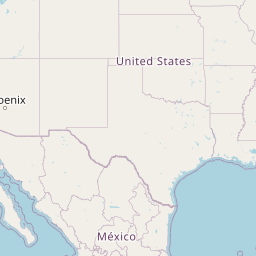
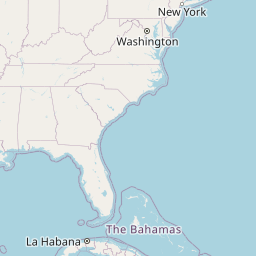
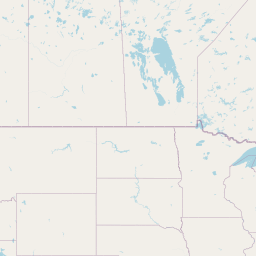
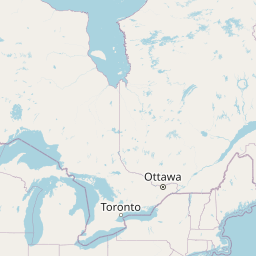
Entity Epinephrine Stocking Map



No entity stocking law/legislation
Enacted entity stocking law
Enacted entity stocking law
Not categorized in source map
Enacted entity stocking law
Enacted entity stocking law
Enacted entity stocking law
Enacted entity stocking law
Enacted entity stocking law
Enacted entity stocking law
Enacted entity stocking law
No entity stocking law/legislation
Enacted entity stocking law
Enacted entity stocking law
Enacted entity stocking law
No entity stocking law/legislation
No entity stocking law/legislation
Enacted entity stocking law
No entity stocking law/legislation
Enacted entity stocking law
Enacted entity stocking law
Enacted entity stocking law
Enacted entity stocking law
Enacted entity stocking law
No entity stocking law/legislation
Not categorized in source map
No entity stocking law/legislation
No entity stocking law/legislation
Enacted entity stocking law
Enacted entity stocking law
Enacted entity stocking law
No entity stocking law/legislation
Enacted entity stocking law
Enacted entity stocking law
No entity stocking law/legislation
Enacted entity stocking law
Enacted entity stocking law
Enacted entity stocking law
Enacted entity stocking law
Enacted entity stocking law
No entity stocking law/legislation
No entity stocking law/legislation
Enacted entity stocking law
Enacted entity stocking law
Not categorized in source map
Enacted entity stocking law
Enacted entity stocking law
Enacted entity stocking law
Enacted entity stocking law
Enacted entity stocking law
No entity stocking law/legislation
No entity stocking law/legislation
Source: Asthma and Allergy Foundation of America (AAFA) — “Entity Epinephrine Stocking” (updated 8/21). Status reflects AAFA’s published map; verify per-state statutes against official .gov sources.
Statute by State
· 35 states with entity stocking laws| State | Law / Statute | State Agency Responsible for Implementation |
|---|---|---|
| Alabama | Act 2016-193 | Alabama Department of Public Health |
| Arizona | Chapter 85 (2016) | Arizona Department of Health Services |
| Arkansas | Act 1108 | Arkansas Department of Health |
| California | Chapter 374, Statutes of 2016 | Emergency Medical Services Authority |
| Colorado | Article 47 of Title 25, C.R.S. | Colorado Department of Public Health and Environment |
| Connecticut | SB 706 | Not specified |
| Florida | Chapter 14-141 | Florida Department of Health — Emergency Allergy Treatment |
| Georgia | Act 56 | Georgia Department of Public Health |
| Idaho | Session Law Chapter 264 (2016) | Idaho Department of Health and Welfare |
| Illinois | Public Act 99-0711, the Epinephrine Auto-Injector Act (2016) | Illinois Department of Public Health |
| Indiana | House Enrolled Act 1454 | Indiana State Department of Health |
| Iowa | Section 135.185 | Iowa Department of Health and Human Services |
| Kentucky | Emergency Allergy Treatment Act | Kentucky Department for Public Health |
| Maine | Chapter 423 | Maine Department of Health and Human Services |
| Michigan | Public Act 221 of 2015 | Michigan Department of Health & Human Services |
| Minnesota | Minnesota 2015 Session Laws, Chapter 71, Article 8, Section 34 | Minnesota Department of Health |
| Missouri | SB 501 | Missouri Department of Health and Senior Services |
| Nevada | Chapter 127 | Nevada Division of Public and Behavioral Health — Emergency Medical Systems (DHHS) |
| New Hampshire | Chapter 39 (2016) | New Hampshire Department of Health and Human Services |
| New Jersey | Epinephrine Access and Emergency Treatment Act | New Jersey Department of Health |
| New York | Chapter 373 | New York State Department of Health |
| North Carolina | Session Law 2015-247 | North Carolina Department of Health and Human Services |
| Ohio | Epinephrine Autoinjectors — Stored for Emergency Use (2016) | Ohio Department of Health |
| Oklahoma | Section 6002 of Title 59 | Oklahoma State Board of Pharmacy |
| Oregon | Chapter 486 | Oregon Health Authority — Public Health Division |
| Pennsylvania | Chapter 55 | Pennsylvania Department of Health |
| Rhode Island | RIGL Chapter 23-6.4 | Rhode Island Department of Public Health |
| South Carolina | Emergency Anaphylaxis Treatment Act (2016) | South Carolina Department of Health and Environmental Control |
| Tennessee | Tennessee Code Annotated, Title 68, Chapter 140, Sections 501-502 | Tennessee Department of Health |
| Texas | HB 4260 | Not specified |
| Utah | Chapter 41 | Utah Department of Health — Bureau of Emergency Medical Services and Preparedness |
| Washington | Chapter 10, Laws of 2016 | Washington State Department of Health |
| West Virginia | Chapter 16, Article 50 | West Virginia Department of Health and Human Resources |
| Wisconsin | 2015 Wisconsin Act 35 | Wisconsin Department of Health Services |
| Wyoming | SF0101 | Wyoming Department of Health |
While we strive for accuracy, information may change over time. Always double-check and verify against official sources before relying on it.